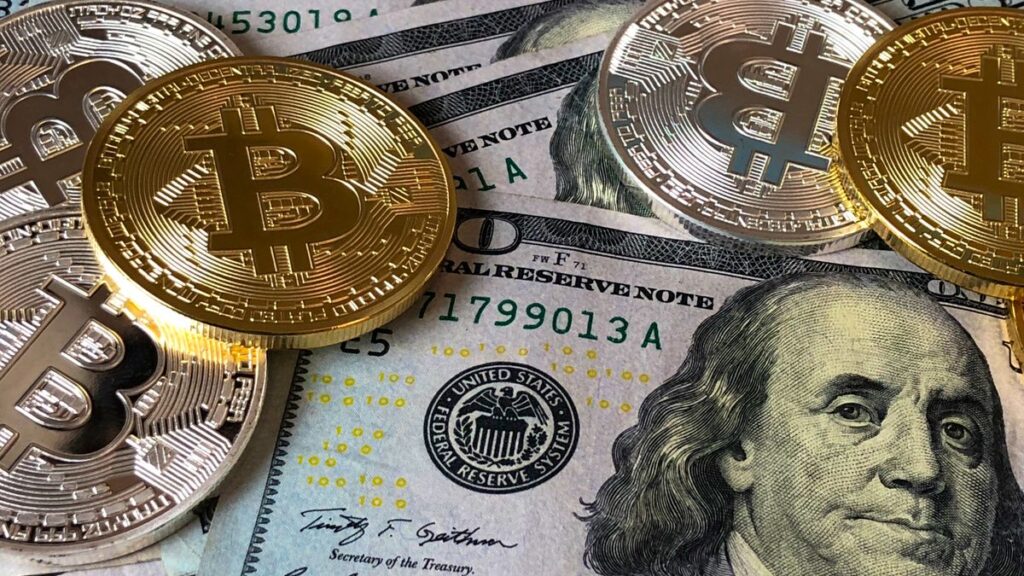
A crypto exchange is a platform where people buy, sell, and swap digital assets such as Bitcoin, Ethereum, and thousands of altcoins. Exchanges match buyers with sellers, quote prices, and often provide wallets, charts, and order types familiar from traditional markets. For most newcomers, an exchange is the first place they convert local currency into cryptocurrency or trade one token for another.
Core Functions of a Cryptocurrency Exchange
At its heart, an exchange maintains an order book or automated pricing engine. In order-book models, users place bids and asks at specific prices; the system pairs compatible orders and settles trades. In automated market maker models, liquidity pools hold token pairs and algorithms set prices based on pool ratios.
Beyond spot trading, many exchanges offer derivatives, margin, staking, earn products, and fiat on-ramps. Each feature adds convenience—and risk—so users should read fee schedules and terms before depositing funds.
Custody and Account Structure
Centralized exchanges typically hold user assets in platform-controlled wallets. You see a balance in your account, but on-chain ownership may be pooled with other customers. This model enables fast trading and customer support but means you trust the operator’s security and solvency.
Decentralized exchanges, by contrast, often settle trades directly from your self-custodied wallet through smart contracts. You retain control of keys, though you face different risks such as smart-contract bugs and front-running on public mempools.
Types of Trading Pairs and Markets
Spot markets exchange tokens for immediate delivery. Perpetual futures and options let traders speculate on price without holding the underlying asset, using leverage that can amplify gains and losses. Stablecoin pairs dominate volume because they simplify accounting across volatile assets.
Liquidity varies widely. Major pairs on large platforms tighten spreads and reduce slippage. Obscure altcoins may have thin books where large orders move price significantly. Checking depth charts and recent trade history helps you understand execution quality before placing sizable orders.
Fees, Spreads, and Hidden Costs
Exchanges earn revenue through trading fees, withdrawal fees, spread markup on instant buys, and interest on margin loans. Maker-taker fee tiers reward users who add liquidity with limit orders. VIP programs reduce fees for high-volume traders. Always compare all-in costs, not just headline trading percentages.
Getting Started Safely on an Exchange
Registration usually requires email verification and, for fiat services, identity checks under anti-money-laundering rules. Enable two-factor authentication immediately. Use a unique strong password and avoid reusing credentials from other sites.
Start with a small deposit while you learn the interface. Practice placing limit and market orders in low-stakes sizes. Understand the difference between available balance, locked balance in open orders, and assets staked in earn programs.
Deposits, Withdrawals, and Network Selection
When moving crypto onto or off an exchange, select the correct blockchain network. Sending tokens on the wrong chain can result in lost funds or costly recovery processes. Double-check addresses, memo fields where required, and minimum withdrawal amounts.
Fiat deposits may support bank transfers, cards, or payment apps depending on region. Processing times and fees differ; card purchases are often instant but more expensive than wire transfers.
How Exchanges Fit the Broader Ecosystem
Exchanges bridge traditional finance and on-chain activity. They list new projects, run launchpads, and sometimes participate in governance discussions. Price discovery on large venues influences indexes, fund NAVs, and sentiment across the market.
They are not the only on-ramp. Peer-to-peer platforms, Bitcoin ATMs, and DeFi (see /what-is-defi-beginners-guide/) protocols offer alternatives with different trust assumptions. Readers exploring Bitcoin (see /what-is-bitcoin-beginners-guide-/) for the first time often use an exchange to acquire their initial holdings before moving to self-custody.
Regulation and Transparency
Regulatory treatment of exchanges varies globally. Licensed venues may publish proof-of-reserves attestations, segregate customer assets, and undergo audits. Unregulated or offshore platforms may offer more pairs and leverage but weaker recourse if something goes wrong.
Research whether an exchange serves your country legally, how it handles insolvency, and what insurance or compensation schemes exist, if any.
Common Risks Users Should Understand
Exchange hacks and operational failures have historically caused large customer losses. Phishing sites impersonate popular brands to steal login credentials. Social engineering targets support channels. Keeping long-term savings on an exchange concentrates risk; many experienced holders withdraw to hardware wallets after trading.

Market risks are equally real. Volatile assets, leverage liquidations, and sudden delistings can surprise unprepared traders. Read listing announcements and maintenance notices so you are not caught unable to trade or withdraw during volatility.
Order Types and Execution Quality
Market orders execute immediately at the best available prices, which can slip during fast moves. Limit orders specify maximum buy or minimum sell prices, adding liquidity when they rest on the book. Stop-loss and take-profit tools automate exits when prices cross triggers, though gaps can cause fills far from expected levels during crashes.
Advanced traders use time-in-force settings, iceberg orders that hide size, and API connections for algorithmic strategies. Retail users benefit from understanding at least limit versus market behavior before sizing positions. Review trade history after execution to learn whether you paid taker fees and how far fills deviated from mid-market quotes.
Proof of Reserves and Transparency Initiatives
After industry failures, many centralized exchanges began publishing proof-of-reserves reports showing on-chain wallets backing customer liabilities. These snapshots provide comfort but are not full audits; they may exclude off-balance-sheet obligations or liabilities between snapshots. Treat transparency as one input alongside regulatory licensing and operational track record.
Building a Personal Exchange Workflow
A disciplined workflow separates hot trading balances from long-term storage. Deposit only what you plan to trade near term. Withdraw profits to self-custody wallets on a schedule. Maintain a spreadsheet of deposits, withdrawals, and trades for tax reporting. Label wallet addresses in your records to avoid sending assets to obsolete accounts.
Two-exchange redundancy helps when one platform halts withdrawals during stress. Keep recovery codes for two-factor authentication in secure offline storage. If you rely on a single exchange for fiat off-ramps, verify withdrawal limits before you need them urgently.
How Exchanges List New Tokens
Listing teams evaluate liquidity commitments, legal reviews, and community demand. Retail hype around announcements can move prices before trading opens. Read token contract addresses from official exchange posts rather than social media rumors to avoid buying impostor tokens on decentralized venues prematurely.
Choosing the Best Crypto Exchange for Your Needs
Different users prioritize different features when selecting an exchange. Beginners typically value clean interfaces, strong customer support, and educational resources. Active traders care most about fee structures, advanced order types, and deep liquidity. Long-term investors prioritize security track records and reliable withdrawal processes. Understanding what matters to you before signing up prevents the frustration of switching platforms later.
Read recent reviews from multiple independent sources and check community discussions on Reddit or established crypto forums. An exchange with a clean technical reputation but poor customer service can become a nightmare during account issues. Conversely, friendly support cannot rescue funds lost to a security breach.
Exchange Account Security Best Practices
Use a strong unique password stored in a reputable password manager. Enable hardware-based two-factor authentication using a YubiKey or app-based codes from Google Authenticator or Authy — avoid SMS-based 2FA whenever possible because of SIM swap risks. Set up withdrawal address whitelists so funds can only leave the exchange to pre-approved wallet addresses.
Monitor account activity regularly and enable email alerts for logins, withdrawals, and security setting changes. Most major exchanges offer detailed audit logs that let you spot unauthorized activity quickly. Set up these protections before depositing any meaningful amount of crypto.
Conclusion
A crypto exchange is the marketplace infrastructure that connects participants, quotes prices, and facilitates conversion between fiat and digital assets. Centralized and decentralized models trade off convenience, custody, and transparency differently. By understanding fees, custody, security practices, and regulatory context, you can choose platforms that match your goals—whether occasional buying, active trading, or using exchanges briefly before self-custody.